Very interesting article in Science.
;)
One exception to the high retention of women faculty is Math departments - I wonder why?

Your Custom Text Here
Very interesting article in Science.
One exception to the high retention of women faculty is Math departments - I wonder why?
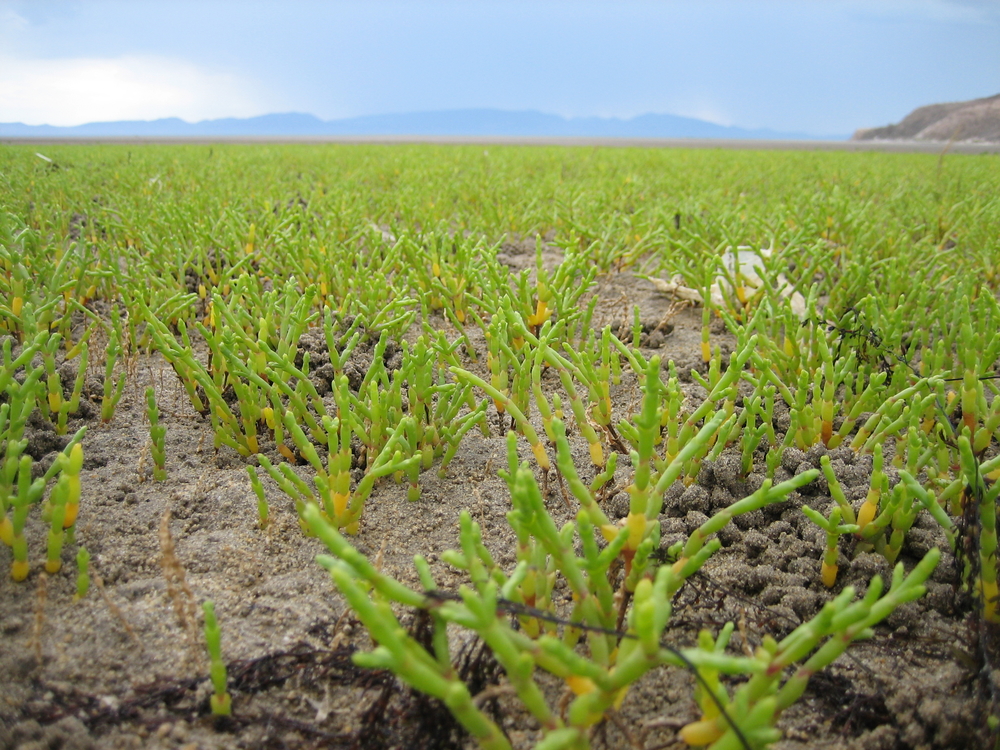
Not surprising, but interesting finding out of UC Berkeley demonstrating that some restored wetlands, even 100+ years old, do not end up being equal to natural wetlands in terms of animal communities or carbon storage. The study looked at factors such as wetland size, latitude, and inundation, and saw strong relationships between these and restoration success.
So - we still have work to do on learning how to better manage and restore these systems!
;)
I just discovered this great program that runs on OS X.
Essentially, you tell it the tidal heights (or range) in which you are interested, the timeframe of interest, and it spits out an ics file (like iCal or BusyCal use) containing the dates, times, and tide info that fit those parameters.
So, say you want to perform a study that requires minus tides (<0.0m MLLW), and you want to do your sampling in April or May, and it needs to be done during the afternoon. You can simply give the program those parameters, hit "compute tides", and it will magically spit out a .ics file (or text file) that you can then use to plan your sampling dates. I can think of a ton of ways this could be great - trying to find specific tidal heights for sampling or tidepooling; planning trips to locations that require low tides for access; or making sure certain stretches of water will be navigable.
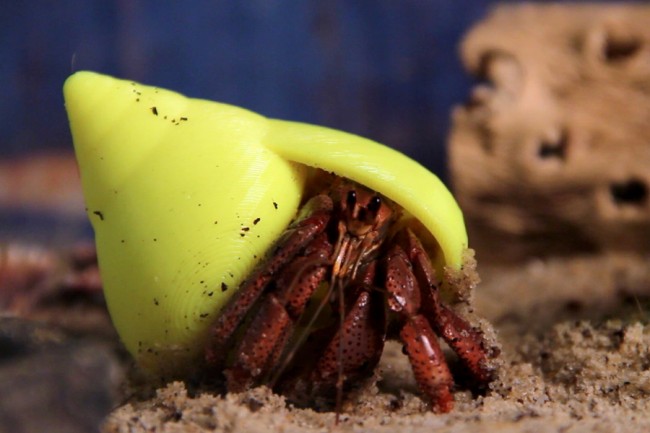
http://www.makerbot.com/blog/tag/project-shellter/
There has been a lot of talk recently (and even not-so-recently) about the problems with peer review in science. This article in Wired is particularly good, in that it provides links to many of the primary resources to allow you to evaluate the problem (and the proposed solutions). Interesting reading.
